This Thin, Drifting Memory
The Wallace Collection, London, March 2026

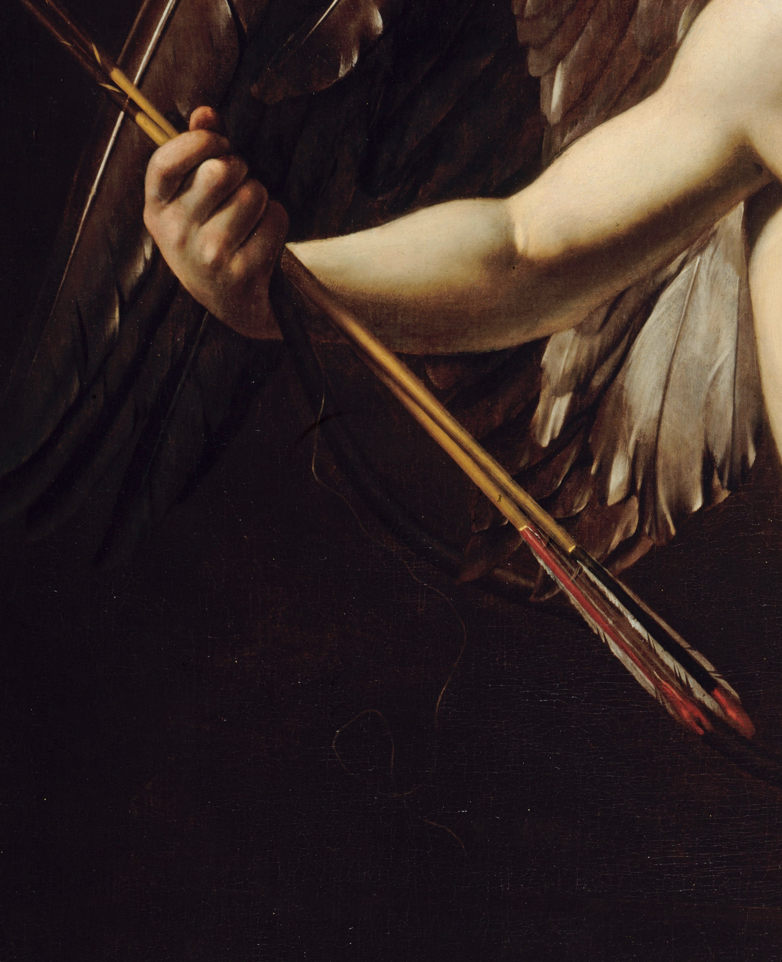
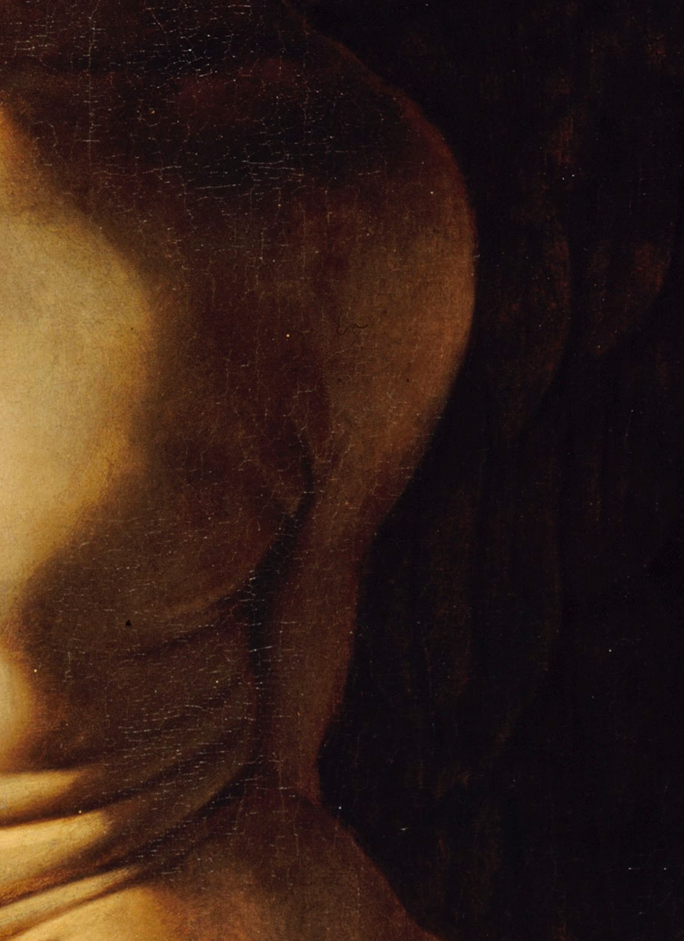
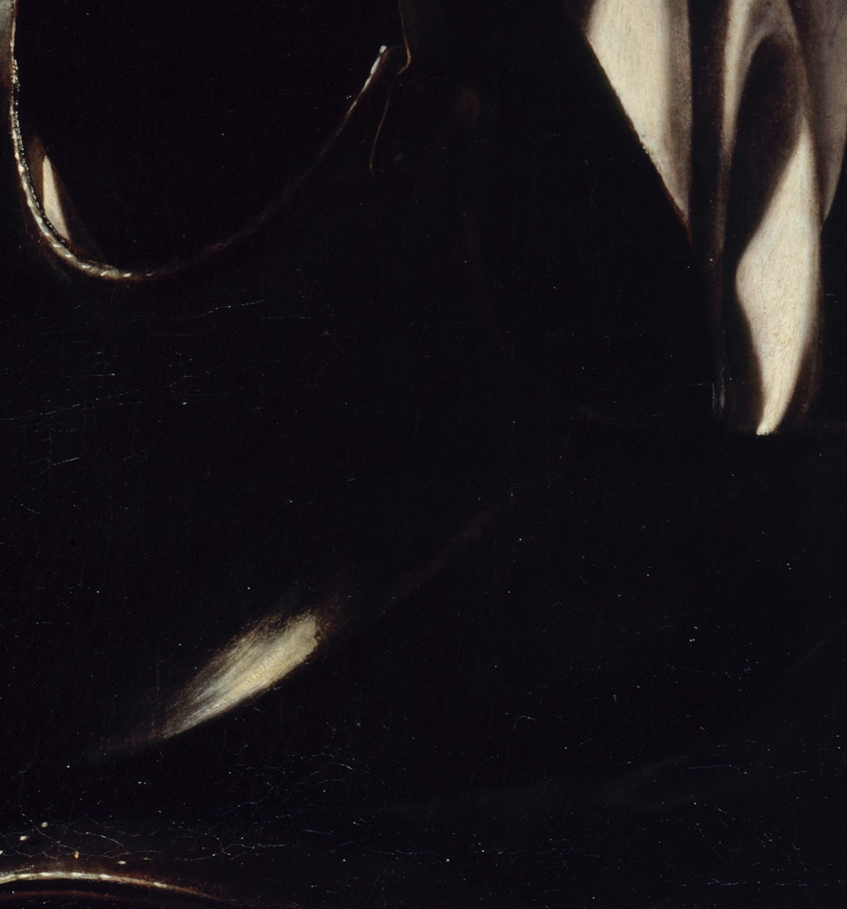
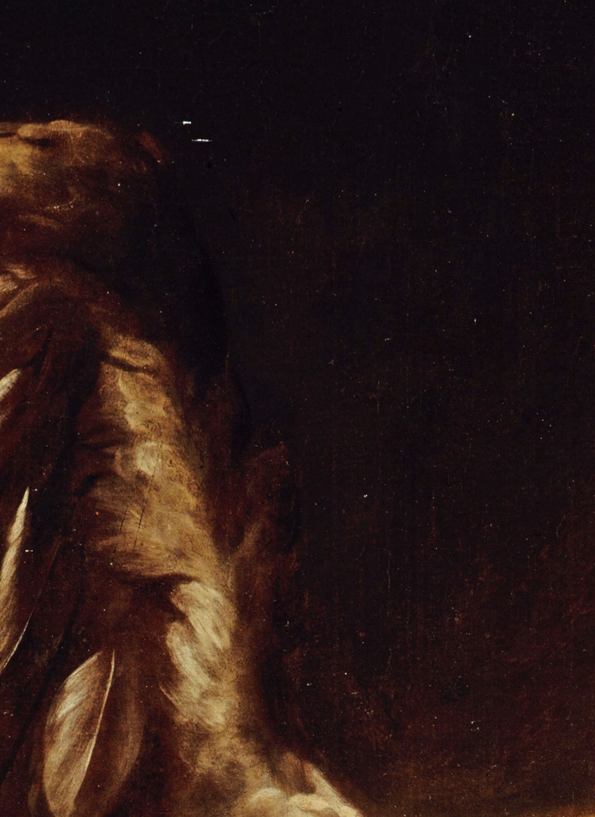
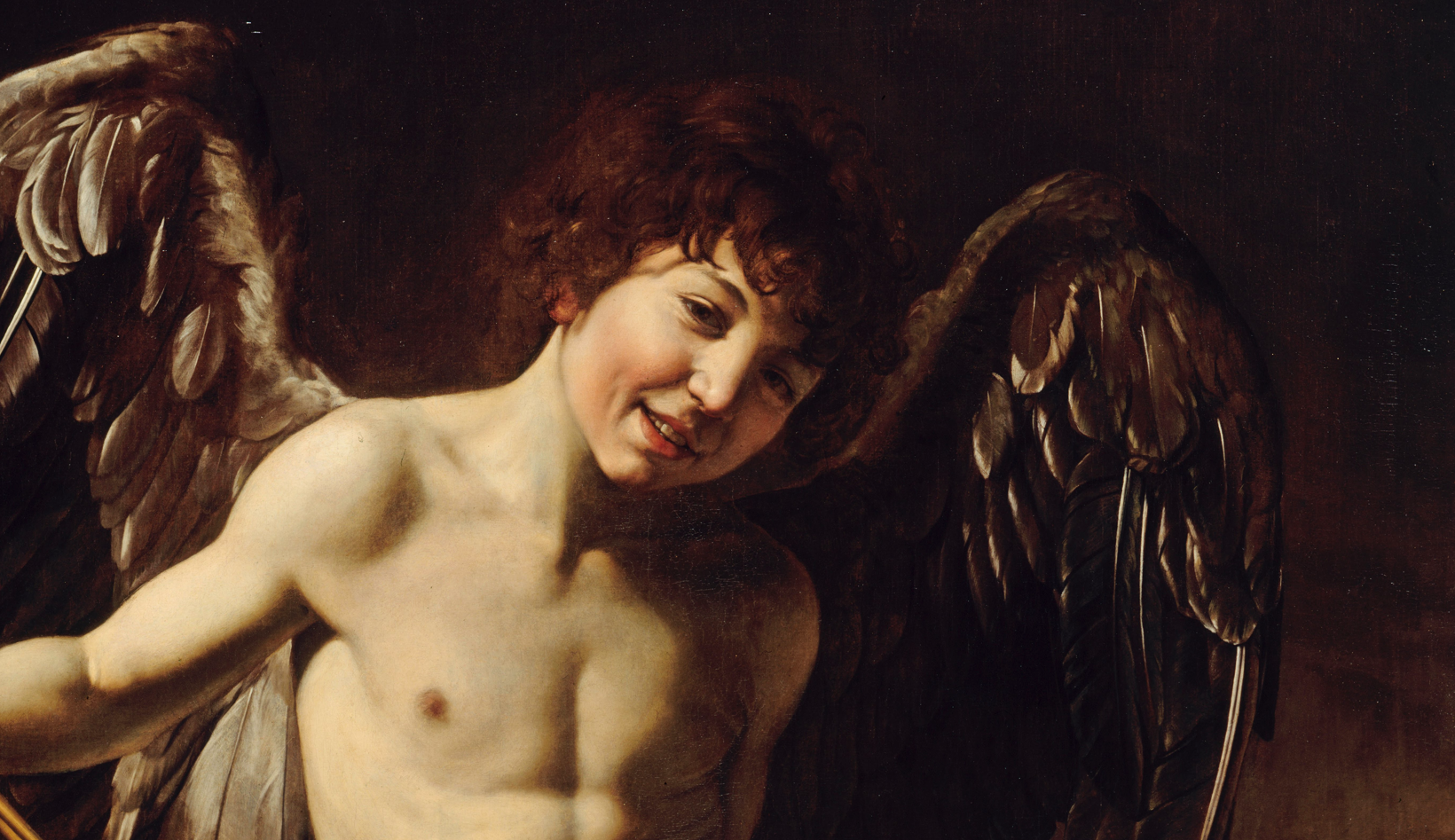
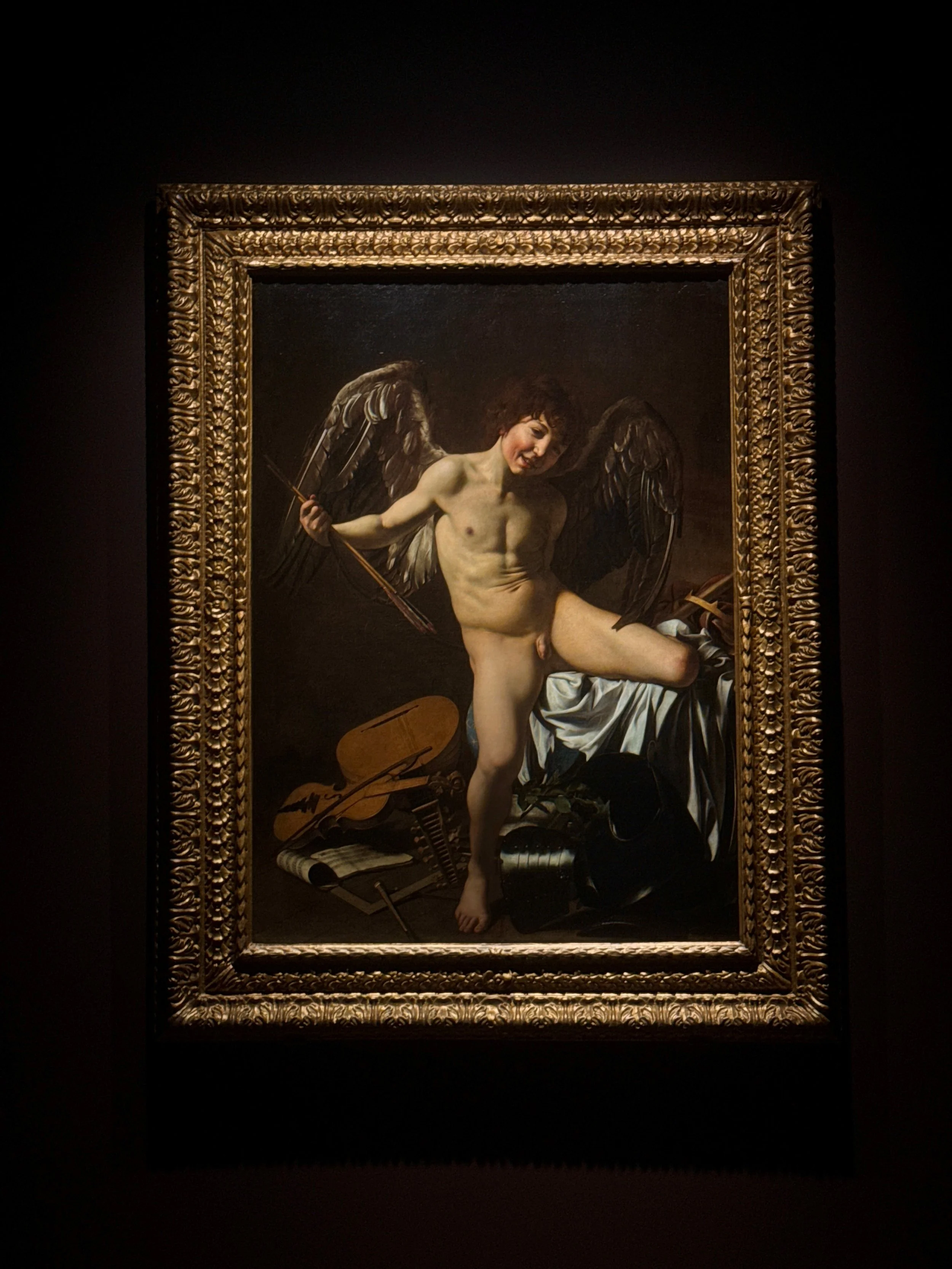
Caravaggio, Amor Vincit Omnia, 1601-1602, oil on canvas
I didn’t see him first.
Not the grin,
not the body -
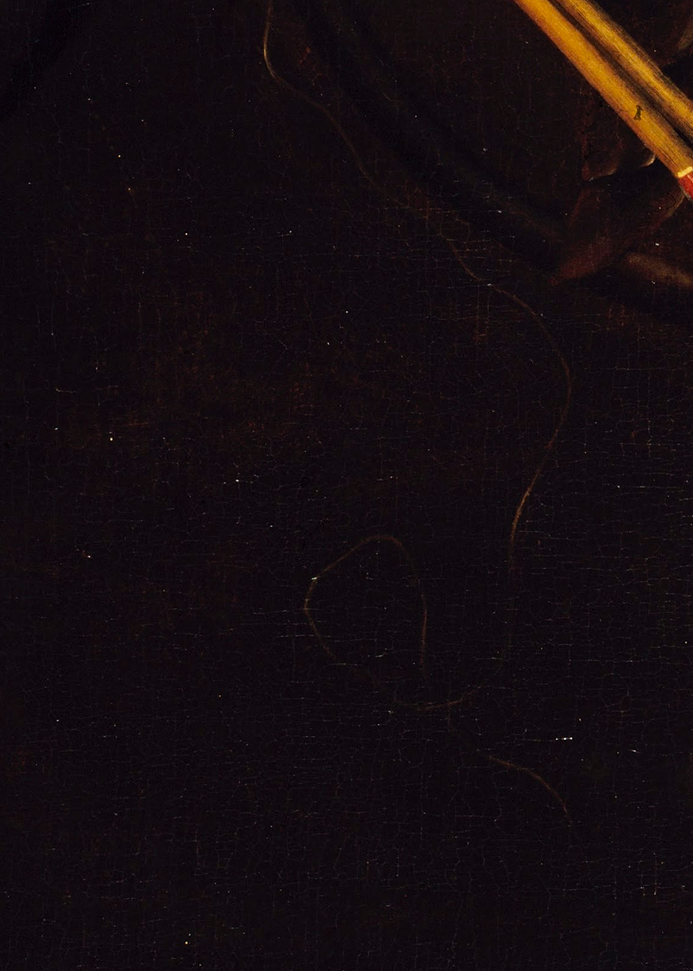
but the strand
falling from the bow.
Amor Vincit Omnia
It comes from the weapon.
That’s where it begins -
or refuses to.
The bow is the place of tension.
The body of force.
Held.
Drawn back.
Measured.
But here -
it has already given way.
The shot is over.
And still
this filament remains,
loose,
unresolved,
refusing to follow the arrow
into meaning.
This is not trajectory.
This is memory.
Material memory -
lodged not in the wound
but in the thing that made it.
The body remembers differently.
Not as image,
not as story -
but as pressure
that doesn’t leave.
The bow slackens
but does not forget.
And he -
this boy,
this Cupid -
stands at the centre of it,
grinning.
Love as weapon.
But not clean.
Not noble.
Not aimed towards union.
Already discharged.
Already inside.
He doesn’t look like aftermath
but he is.
Raised toes,
dimpled cheeks,
that soft, insolent stomach -
a body that refuses
to carry the weight
of what it has done.
Or worse -
a body that enjoys it.
Behind him, everything collapses:
music fallen into shadow,
knowledge folded in on itself,
objects emptied of use.
Because the act
has already passed through them.
And still -
that strand.
It hangs where force once gathered.
Not pointing outward
but circling back
into the body of the weapon.
Into the body.
I couldn’t stop seeing it
as internal -
a nerve,
a filament,
a brain-whisp
caught in the soft dark.
The whole painting holds
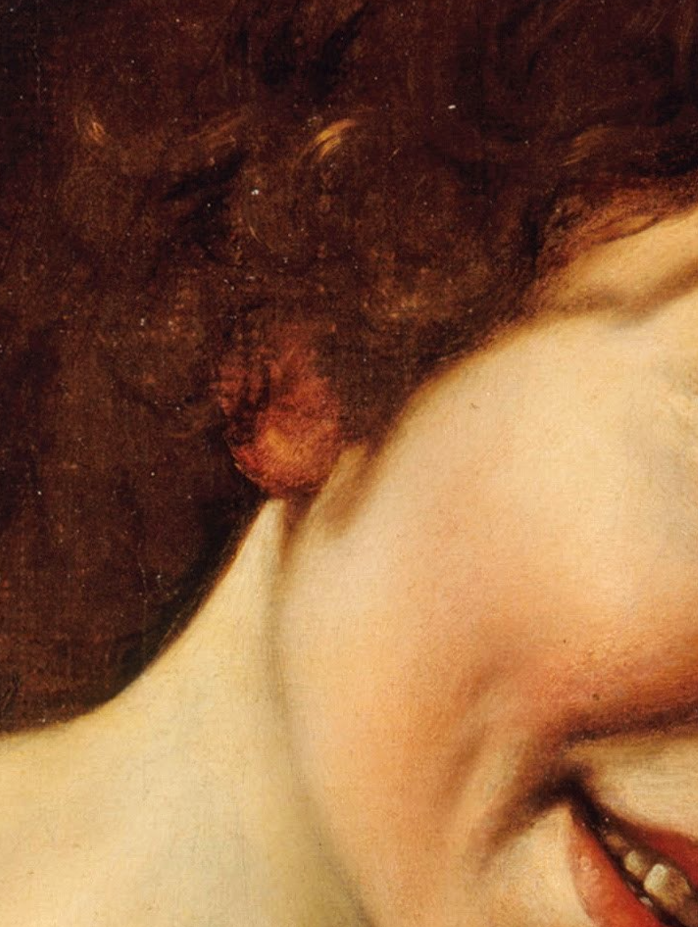
that same colour -
auburn,
heat,
flesh.
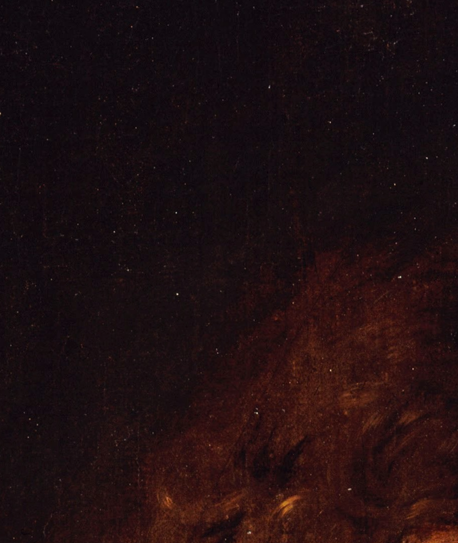
His hair,
his wings,
the ground behind him -
no separation.
As if the background
is not background at all
but interior.
Inside the body.
Comforting, almost.
Warm.
Enclosing.
And then -
not.
Because that same colour
flickers.
Low flame.
The kind I was told about -
the kind you’re meant to fear,
never want,
never enter.
Hell,
but intimate.
Not elsewhere.
Inside.
And so the painting turns:
body as weapon,
weapon as body,
memory as the thing
that won’t leave either.
Not in the wound -
but in the structure
that made it possible.
That’s the violence.
Not that something was fired.
But that it never finishes
being fired.
It stays
in a suspended middle -
already happened,
still happening -
thick,
slow,
endless.
They tried to tidy it.
Behind me -
soft voices,
careful language -
scandal,
joke,
controversy -
as if the danger
was embarrassment.
But the danger is this:
that love, once released,
does not travel cleanly.
It loops.
Back into the weapon.
Back into the body.
Back into you.
And stays there
as material.
As a thread
you can’t quite locate
but can’t remove.
He grins
like he knows.
Like he knows
he doesn’t belong
to the one who made him.
Not to
Caravaggio,
not to the curator,
not to the lesson.
And maybe not even
to himself.
Because I felt it -
standing there -
that the strand
had shifted.
From the bow
to somewhere in me.
Not metaphor.
Not interpretation.
Placement.
As if the image
had remade its origin
in my body.
As if memory
doesn’t belong
to the past -
but to whatever
is still holding the tension.
I left with it.
That soft,
burning,
impossible thread -
not moving forward,
not arriving,
just working itself deeper
into a present
that won’t pass.